Key Takeaways
Begin by matching the lunch bag to your reality. Jot down what you normally pack, your commute distance, and your eating habits so you pick the perfect size, insulation, and layout instead of guessing.
Insulation and materials come first because you want to keep your food safe and fresh. Seek out thick foam, neoprene, or reflective liners along with leakproof, easy-to-clean interiors that withstand everyday wear.
Make comfort and portability part of your decision, not an afterthought. Try how the bag would fit into your backpack, work bag, or stroller, and pick handles or straps you would genuinely use on a daily basis.
Focus on design detail because it defines your day. Snap-tight closures, smart compartments, and solid construction keep your food together, prevent spills, and help the bag last.
Select a style that complements your lifestyle and routine! Design for your lifestyle. Whether you’re an office professional, student, or outdoor enthusiast, select a lunch bag that empowers how you move, eat, and work rather than hindering you.
Think VALUE, not just price. A modestly higher initial investment in tough, odor-proof, and well-insulated bags will reward you with savings, less waste, and an overall sense of ease and delight every time you pack a lunch.
You start by thinking about your real day: how far you travel, what you eat, and where you store your food. Your lunch bag has to hold food securely, suit your style, and accommodate your schedule, not simply be adorable perched on an empty store shelf.
You handle spills, cramped office fridges, school lockers, or extended commutes, so size, insulation, and cleaning ease all count for a lot. You want something that lasts more than a few months and doesn’t feel bulky or awkward to carry.
In the following sections, you walk through each important consideration one by one, so you can select a lunch bag that works for your lifestyle.
Key Factors for Your Lunch Bag

You select a good school lunch bag to match your actual, everyday life, not some hypothetical perfect day that rarely occurs. Consider what you stuff, how you commute, and where your grub rests until chow down. Size, insulation, and material are crucial for selecting the right lunch bag style. When they fit your habits, you eat better, waste less, and quit wrestling with crushed containers or warm yogurt.
1. Size
Begin by walking through your average day in your mind. Do you pack a single entree, or do you nibble across multiple boxes, fruit, and a beverage bottle? A good rule is that your lunch bag should hold your usual meal, a drink of about 500 to 750 ml, and one or two snacks without you forcing the zipper closed.
If you bring breakfast and lunch, or you pack for the gym and late meetings, choose a larger bag designed for multiple containers. These typically hold two stackable food boxes, a salad bowl and a small container for nuts or yogurt. Older kids or teens with larger appetites do well with these larger sizes, while little kids with simpler meals remain good with smaller bags.
Light luncher or coffee-and-cookie kind of person? A small lunch tote or box keeps things streamlined and small. It should still accommodate a little container, a piece of fruit and maybe a slim ice pack, but it doesn’t need to devour half your fridge. To keep it easy, jot down a quick list of your staples and compare it to the interior measurements prior to purchase.
2. Insulation
Insulation is what keeps your lunch safe, not just delicious. A quality insulated bag with thermal lining goes a long way in meal preservation for the real freshness fans out there, especially if your lunch stews for four to six hours before you get to it. Professional-grade insulated bags tend to have a thicker thermal lining that can keep food warm or cold for hours when combined with an ice pack or hot container.
Opt for companies that provide independently tested temperature retention times, even if it’s a plain statement that keeps contents below 5 °C for 4 hours with an ice pack. Thick padded walls, snug zippers, and insulated panels or even chilled walls inside the lunch box all assist. Beware of ultra-thin bags featuring a single weak layer of foam or bargain-bin ice packs stitched in. They may feel cold initially, but they allow food to float into the danger zone by lunch time.
3. Material
Material selection determines bag lifespan. Hard-wearing polyester, nylon, or insulated neoprene hold up to the daily office grind, commute, and school run. A hard-wearing lunch bag can be tossed around and look just as good years down the line, particularly when it has robust zippers and reinforced seams to bear the burden of being crammed.
Inside, shoot for a leakproof liner so yogurt, smoothies, or sauces don’t seep into the padding and stink it up. The liner ought to be wipeable for speedy cleanup and water‑resistant, so you don’t have to worry about little splashes or light showers during your commute. Trace the seams and corners with your fingers. If they’re thin or loose, they’re going to split once you introduce some heavier glass containers.
4. Portability
Portability is all about how that bag feels when you carry it for real. Padded handles count if you’re a walker, while a shoulder strap fits commuter trains or bus rides. If you’re a cyclist or already lug a laptop backpack, make sure your lunch bag fits inside or clips on without digging into your back.
If you’re on the go with kids, a slim, lightweight lunch tote that can slide into a stroller basket or school backpack is much simpler than a big hard-sided box. Soft-sided or collapsible bags come in handy if storage space at home or at work is limited since you can fold them down when your meal is done.
5. Cleaning
Cleaning is where 95% of people abandon an otherwise nice bag. Seek out wipeable interiors or removable liners so spills can be cleaned up in under a minute with a damp cloth. This reduces stains and prevents the bag from absorbing the smells of potent foods such as curry or tuna.
For low laziness factor, look at the label for machine-washable styles, particularly with neoprene or fabric totes. Stay away from bags with lots of little pockets and hard to reach corners that catch crumbs and sauce. They sound useful but turn into smell traps.
Brand style | Interior type | Cleaning method |
|---|
Soft neoprene tote | Smooth, no corners | Machine wash, air dry |
Boxy cooler bag | Fixed PEVA liner | Wipe only, no machine |
Kids’ character bag | Many pockets, seams | Spot clean, time‑consuming |
Understand Insulation Performance
Insulation performance determines whether your lunch stays fresh and enjoyable or turns warm, mushy, or even dangerous. An excellent lunch bag impedes the flow of heat, meaning cold food remains cold and hot food remains hot for hours, whether you are at work, school, or on an extended commute.
You want materials that maintain a consistent internal temperature, such as polyurethane foam and aluminum foil-style liners. The more effective the insulation and the more securely the bag shuts, the longer your salad, yogurt, or pasta remains in the safety zone.
Design details matter too: a leakproof seal, sturdy zippers, and well-fitted lids cut down warm air sneaking in. How you pack is part of the system too. When you fill air gaps with food containers or an ice pack, the cold has less room to dissipate, so the bag operates nearly at capacity.
Always skim product pages for actual temperature claims. Search for verified “cold for as long as six hours with ice pack at 25 °C” rather than lackluster “keeps food fresh.” Keep in mind that outside heat, how frequently you open the bag, and what you pack all impact those figures.
As a rough guideline, a solid insulated bag and ice pack can keep food cold through a standard work or school day, whereas a dedicated insulated food jar can maintain hot foods for about 9 hours and cold foods for up to 15 hours due to its tighter vacuum-style build.
Foam
Foam is the workhorse in numerous lunch bags. You want high-density foam that springs, not flops, against the walls when you press it. This kind of foam impedes heat transfer and maintains a more consistent internal temperature, so your sliced fruit and cheese remain cool instead of warming to room temp come mid-day.
Be sure to find enough cushioning to shield softer fare as well. If you regularly transport glass jars, hard-boiled eggs, or sparkling beverages, the thicker foam walls become a mini-bumper layer while navigating train crush or bike trips.
Avoid bags where the foam seems thin, creases easily, or never really “resiliences.” That type of foam compacts as the years pass, air pockets are lost, and it ceases to insulate effectively. When you compare models, watch thickness and firmness, not just one or the other.
Neoprene
Neoprene lunch totes are a good school lunch bag choice if you want something lightweight, flexible, and backpack-friendly. They boast great insulation properties, particularly for short to medium runs, that is, that 4 to 5 hour window from home fridge to lunchroom, often complementing a slim ice pack. This makes them ideal for school lunches or a packed lunch during work hours.
Since neoprene stretches, it easily accommodates odd-shaped containers, tall water bottles, or a stack bento box without wasting much space. This feature helps minimize air gaps, which enhances cooling efficiency, making it a practical choice for snack enthusiasts.
It washes great too; most neoprene bags go directly into a gentle machine cycle and emerge crisp, clean, and with less stain or odor retention after curry, tomato sauce, or strong cheese.
Neoprene does have trade-offs. Pros include good insulation for daily use, flexibility, lightness, and a comfy carry, often resembling a soft tote more than a traditional lunch box.
However, the cons are that they are usually less rigid than foam coolers, offering less impact protection, and insulation may weaken during very long days in high heat, making them less ideal for extended outdoor adventures.
Reflective Liners
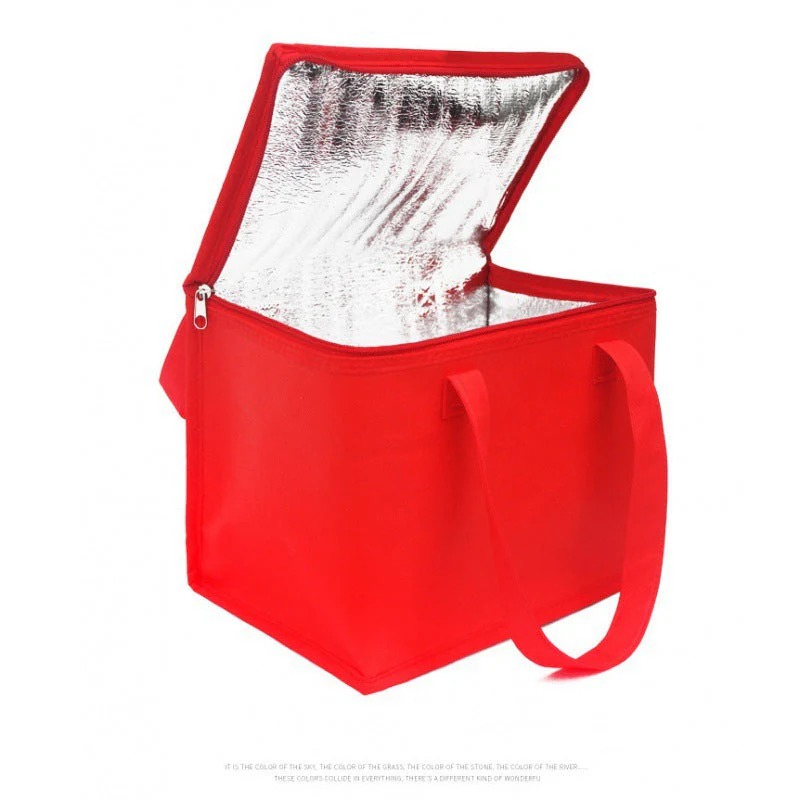
Reflective liners, like aluminum foil, increase insulation by reflecting radiant heat away from chilled food or back to hot food. As a quick example, a sandwich-yogurt pack in a foam and reflective foil bag will typically remain cooler than the same foam bag with a raw fabric inner wall.
So you want the reflecting surface to encapsulate the entire interior, sides, and bottom with minimal seams and gaps. Big stitched breaks provide easy bridges for heat.
A soft, wipe-clean liner that is tested food-safe and doesn’t peel or crack will last even longer, particularly if you rinse your bag regularly and fold it up every day.
When you’re looking at some of those trendy insulated bags, take note of how dense the foam below the liner feels and how durable the foil layer is. A bag with paper-thin, fragile foil that flakes a month later isn’t going to continue to do a good job.
A combination of dense foam, seamless reflective lining and a tight zipper or roll-top closure tends to triumph in terms of real world ‘hours cold’ day-to-day use.
For longest cold retention in hot weather, use a structured bag with dense polyurethane foam, a tough reflective liner, and a leakproof zipper.
For mixed use and easy storage, a good neoprene tote with moderate foam and a simple wipe-clean lining.
For kids or rough handling, a boxy foam cooler style with thick padding and durable inner foil.
For soups and full-day trips, a quality insulated food jar is rated for up to 9 hours hot and 15 hours cold.
Why Design Details Matter
Design details determine if your lunch bag matters or works against your day. They influence how fresh your food stays, the ease of packing, and even the zen-like feeling when you open your insulated lunch bag at lunchtime. Closures, compartments, and construction factor into food safety, temperature, cleanliness, and how long the bag lasts before you need a new one.
Closure
Closure isn’t just about “does it stay shut.” It impacts how well the bag retains cold air and its leakability. Most importantly, it affects how quickly you can rip it open when you’re hangry and in a hurry.
A quality closure maintains hot items hot, chilled items cold, and everything else off your papers, computer, or purse contents. If you’re packing yogurt, soup, or fruit with a lot of juice, a weak closure is a gamble you sense the first time something topples on a commute.
You benefit from durable zippers, heavy duty velcro or quality magnetic snaps. Double zippers allow you to open from either side and seal more evenly. Reinforced flaps seal those air escape or spill slip gaps so the insulation or thermal lining can do its thing.
When you combine leakproof inner containers with a tight closure, you create a much safer system for the food itself and the bags surrounding it.
Alone zipper.
Pros: Simple, quick to use, common on soft bags.
Cons: If it breaks, the whole bag fails.
Double zipper
Pros: Better seal, opens from either end, more flexible.
Cons: Slightly more parts that can wear out.
Velcro flap.
Pros: Fast, easy to open for kids, even with gloves.
Cons: Can clog with lint, weaker seal for cold air.
Magnetic snap.
Pros: Clean look, smooth closure, good for slim bags.
Cons: Often not fully airtight, less ideal for heavy items.
Roll-top with clip.
Pros: Very secure, strong against leaks, good insulation.
Cons: Slower to open, bulkier style.
Compartments
Compartments dictate the way you eat and pack your meals. When the interior of a lunch box is a messy open space, food piles on food, making it difficult to find what you need. With defined compartments in a good school lunch bag, your finger foods, entrée, and beverage can each have their own territory, reducing the risk of smashed bananas and fragile chips.
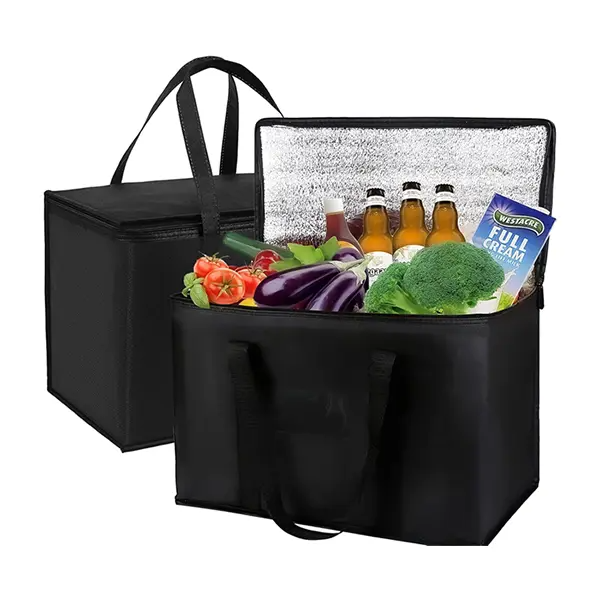
This design helps keep hot food away from cold items, allowing ice packs to focus on what needs to stay chilled, like dairy or meat. A clever insulated lunch tote typically features a large insulated compartment for the main fare, complemented by smaller pockets for add-ons.
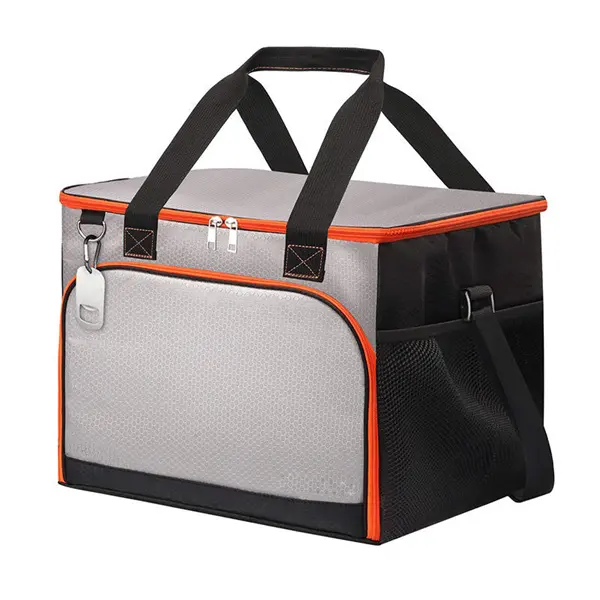
A side slot for a 500–750 ml bottle keeps beverages in place. A slim interior pocket can stow silverware, a napkin, and even a little sauce container, so they stay clean and accessible. Size matters here: measure your usual containers and check if they fit with the lid closed, not forced.
Multiple compartments really shine when packing for a long workday, a child’s school day, or a lengthy commute, allowing you to separate a morning snack from lunch and an afternoon treat. One big bin can suffice if you use stackable containers, but you may sacrifice flexibility and quick access.
If you’re like me and split your lunch, enjoying some at your desk and some on the go, more sections in a lunch bag matters and typically align with your routine.
Construction
Construction is where you discover whether the bag is designed for a season or for multiple years. Stitching should appear uniform and taut without any dangling loose threads at stress points such as handle connectors or zipper termini.
Seams inside the insulated zone need to be well sealed so that moisture cannot sneak into the padding. If you touch the fabric and it is thin or flimsy, it will probably fray or tear with day-to-day use.
Reinforced, strong zippers and handles matter when that bag is completely full and heavy. A metal zipper on a smooth track typically outlives a very light plastic one, particularly on bags transporting glass bottles.
Handles that are sewn into the body, not just tacked onto the lip, hold up stronger to a load of meals and drinks. A reinforced bottom or semi-rigid sides guard food against being squished in a packed backpack or under other bags.
Practical details impact hygiene and comfort. A food-safe, BPA-free lining that wipes or rinses away easily means you can clean up spills quickly and avoid odors.
Antimicrobial linings provide an added level of comfort when your bag rests for hours in toasty rooms. Water-resistant outer fabric keeps light rain or splashes at bay from your food, perfect if you walk or bike to work and still want your bag to look sharp with your style.
Match Your Lifestyle

A lunch bag that truly fits your life does two things at once: it keeps your food fresh for hours and it quietly supports how you move through your day. When you match your bag to your lifestyle, you waste less food, carry less stress, and you’re more likely to stay with the way you want to eat.
Match Your Lifestyle — Before you select a style, consider where you dine, your commute, snacking habits, and whether your lunch bag needs to slip into a backpack, nestle next to a laptop, or serve as a mini cooler. Check out insulation, the number of pockets, cleaning ease, and how much the design feels like you.
If you care about the planet, materials matter too: reusable, eco-friendly fabrics and recyclable parts can fit right into a low-waste lifestyle.
Lifestyle scenario | Most useful features |
|---|
Office commute by train | Slim, insulated tote; leakproof lining; fits in briefcase; neutral, polished look |
Student with long days | Roomy bag; multiple pockets; strong zippers; bright or fun design; easy to open |
Weekend hiker or camper | Thick insulation; space for several meals; rugged shell; water‑resistant exterior |
Busy parent on the go | Wipeable, water‑resistant inside; quick-access pockets; thermal lining; light weight |
Eco‑conscious minimalist | Durable eco materials; simple style; a few smart compartments; replaceable parts |
The Office Professional
For office life, you want it to act like an extension of your work kit, not a trinket from the lunch room. A slim, insulated tote or classic lunch box that slides next to papers in a briefcase or alongside your laptop in a 15 to 17 inch work bag makes daily commuting easy.
Find one that has a flat base so it stands under your desk and plenty of insulation or thermal lining to keep salads crisp and cooked meals safe for 4 to 6 hours, particularly if your office fridge is overflowing or at a distance from your desk.
Being organized encourages healthy habits, so having distinct compartments for salads, snacks, and beverages aids you in packing purposefully. A top section for a grain bowl, a slim sleeve for cutlery, and a side pocket for fruit or nuts push you to pack a complete, balanced meal rather than just a sandwich.
Matching your lifestyle is important. A lot of pros appreciate easily cleaned, wipeable, water-resistant interiors. Leaks occur, but a quick nightly wipe with some mild soap is all you should need, even on the craziest weeks.
Style still matters in a formal setting. Maybe you fancy muted colors, clean lines and simple hardware to match your jacket or work shoes, so your lunch bag looks more like a small tote and less like a cartoon box.
If you bounce between client meetings, co-working spaces and home, a look that reads like a normal bag lets your lunch fade into whatever room you step into next.
The Active Student
Students, elementary to college, abuse bags. A rugged, insulated lunch bag with reinforced seams, heavy duty zippers and a solid handle will withstand jam-packed lockers, stuffed buses and sprinting between classes.
Several compartments can store a main course, fruit, a treat and a water bottle all in its own designated location, so no more crushing!
The bag needs to play nice with the rest of the load. Just be sure it fits inside a standard backpack or clips easily to the outside with a carabiner.
For younger children, select broad, easy glide zippers and easy fasteners so they’re able to unzip the bag independently. This tiny detail influences if they even eat what you pack!
Design can help a student feel more ownership. School colors, favorite animals, simple patterns or a discreet logo can all work depending on age and taste.
Teens might prefer solid colors or athletic styles whereas younger kids might like wild prints. Regardless of the design, insulation needs to be powerful enough to keep food fresh through an entire school day and after school clubs, particularly if their bag is stationed in a warm classroom all day.
The Outdoor Adventurer
Whether it’s for hikes, beach days or road trips, your lunch bag begins to double as a mini cooler. Search for a bigger smooth cooler or lunch bag with thick insulation and a dependable thermal liner so meals and drinks remain chilly most of the day with ice packs.
This is important if you’re packing things like dairy, meat, or fresh cut fruit. Room for a few meals, communal munchies and two to three drinks each can transform one bag into a miniature base camp for the crew.
Outdoor use is hard on gear, so materials have to be tough. Water-resistant exteriors, reinforced handles, and strong stitching withstand sand, rocks, and pop-up showers.
A shoulder strap or backpack-style straps keep your hands free for poles or kids’ hands, while compact shapes fit into car trunks or under a bench. If you switch locations frequently, like parking one weekend and a mountain trail the next, go with a versatile design that can rest in the grass, dangle from a hook, and still appear chic on a picnic table.
The Unspoken Truths

Choosing a good school lunch bag is less about colors and brand names and more about what you deal with day after day: smells that will not leave, surprise leaks in your backpack, and bags that fall apart faster than you expected. You use this bag to safeguard your grub, your wellbeing, and sometimes your laptop or paperwork sitting just beside it, so the insulated lunch tote design nuances count for more than most would admit.
The Smell Factor
Smell is the initial secret examination of a lunch bag. If the lining holds scents, yesterday’s curry or tuna can stick around for weeks and make you avoid opening it. You want an inner that fights stink to begin with, not one that just wipes clean at the surface. Scan the tag for phrases like ‘odor-resistant lining’, ‘closed-cell foam’, or ‘antimicrobial treatment’.
These finishes inhibit odor-causing bacteria and prevent your bag from becoming a stale wiper flapping in the wind scent cloud every time you unzip it. Even with quality fabrics, you still require a wash routine. If you consume pungent food, allow the bag a little time to air when you arrive home.
Open all zippers, pull out the removable liners and leave it in a dry place, not crammed into a dark closet. That easy pass-through can often trump any high-tech gadget, particularly if you are lugging around piping-hot meals that emit steam. Wet food is the silent killer of crispness. A leaky yogurt cup, diced fruit with juice or a sauce container with a loose top will seep into seams and padding.
In time, that moisture feeds bacteria and the smell sinks deeper into the material. Whenever possible, store liquids in sealed containers or, at a minimum, inside a second pouch so they never come in contact with the actual lining. For day-to-day care, keep a small routine that does not take much thought:
Mild dish soap and warm water for a weekly wipe down.
Soft sponge or cloth, not rough scrubbers that scar lining.
White vinegar and water (1:1) to fight tough smells.
Baking soda sprinkled inside overnight for deep odor absorption.
Disinfecting wipes that are not bleach heavy for those quick post-spill clean-ups.
Generous air-drying with zippers open prior to putting the bag away.
Not to mention that a clean, odor-controlled bag encourages your eating habits. When your lunch bag smells good and looks fresh, you’re going to pack real meals — not skip or grab at random snacks.
The Leak Reality
Leaks don’t just ruin food; they can ruin a workday. When you’ve got a laptop, papers, or a change of clothes, one spilled soup can throw your stress into a tailspin that you feel all week long. To reduce that chance, concentrate on your inner construction. You want a sturdy, watertight liner that goes up the sides and into corners with sealed or welded seams, not loose stitching that allows moisture to sneak in. A good school lunch bag will ensure that your essentials remain safe and dry.
A leakproof liner is ideal when used with leakproof containers. Match them up. Liquids go in snap-lock or screw-top containers, then into a part of the bag that zips all the way shut. There are bags that toss on an additional bottom compartment for yogurts or salads. That easy separation prevents a bad lid from spreading to the rest of your stuff. Look for an insulated lunch box that can handle various food types, making it a versatile choice for your meals.
Watch out for bags that are fashionable on the outside but frugal on the interior. If the inside pockets are flimsy or the seams are exposed and scratchy, leaks race beneath them and touch outer pockets. When you examine a bag, dig into the corners, gaze at how the lining connects, and see if there is any distance between the liner and outer shell. A large lunch bag with separate compartments can help keep everything organized and secure.
You want insulation that’s more than about keeping food cold. A good insulated lunch bag with thermal lining will keep things for a few hours. That stability offers two wins: your food stays safe and pleasant to eat, and any small spill inside stays cool and less likely to smell. On hectic days out of the fridge, this can be the difference that makes packed lunches feasible.
Brand type / style | Leakproof element | What it really helps with |
|---|
Work-focused briefcase style | Heat-sealed inner liner | Protects documents and devices from drink spills |
Student backpack combo | Separate bottom leakproof zone | Keeps books safe from lunch box leaks |
Family / parent cooler bag | Double-layer waterproof lining | Handles drink bottles and baby food safely |
Compact office tote | Welded seams + zipper closure | Stops salad dressings from reaching bag exterior |
When these leak controls work, you sense it in your schedule. Your commute is more peaceful and you don’t spend time scrubbing bags, clothes, or desks.
The Longevity Myth
Well, there’s an unspoken legend that a ‘quality’ school lunch bag never dies. It won’t. Even top-notch bags, employed five days a week, begin to wear after a few years. Insulation flattens, straps chafe your shoulder, and zippers endure hundreds of pulls. If your bag still looks new after long daily use, then you’re not pushing it very hard.
You can select bags that age well. Seek out rock-solid zippers that glide, reinforced seams at stress points, and robust handles that feel like they’re going to hold when the bag is packed to the brim. A good school lunch bag would stand up to the weight of glass jars, beverages, and fruit without the seams tearing.
A few designs provide removable liners or detachable straps. Those interchangeable components extend the bag’s lifespan because you exchange the elements that receive the most wear rather than purchase an entirely new system. Be truthful with yourself regarding expectations. A bargain-basement bag from the clearance aisle isn’t going to survive many school years or commutes.
The insulation could be thin, the zipper cheap and the padding scant. If you pack full meals every day or you walk and take public transit, you put more stress on the bag than someone who carries one small snack. It’s your uses that define what “durable” actually means when it comes to insulated lunch bags.
See how quickly a bag is filling up. Frayed seams at the corners, peeling inner coating, broken zipper teeth, and straps that feel loose are telling you your reliability is slipping. You may still put the bag to use, but you shouldn’t rely on it to shield costly gadgets or garments from spills.
Observe if food doesn’t stay warm or cold as long as it used to. Insulation that’s matted down doesn’t work, regardless of how good the outside of the bag appears. After all, the right lunch bag is one that fits your body and your day. It should nestle on your shoulder or in your hand, assuming you commute or walk a lot.
It should match your portion size: a compact bag for light snacks or a larger one for a full, multi-course meal. When comfort, size, hygiene, and durability align, the bag becomes part of a simple routine. You pack tastier foods, eat more promptly, and feel more in charge of your day.
Balance Cost and Value
You want a lunch bag that feels like it’s worth what you pay — not one that looks cute for a week and then disintegrates. Value is the number on the tag. Value is how many days you take it along, how well it preserves your food and how long it holds up before you need to replace it.
Begin by viewing price in conjunction with features. Inexpensive bags typically mean thin walls, flimsy zippers and cheap cloth. They may keep your food cold for an hour or two and begin to fray after a few months of use. There’s often a balance between cost and value.
A mid-range bag typically means thicker insulation, better stitching, and a leak-resistant liner you can wipe clean. Premium bags will include high-grade zippers, sturdy handles, superior foam insulation, and intelligent layouts with pockets for silverware or a beer. You’re not merely paying for the brand. You’re paying for how long your food stays fresh, how effortlessly the bag cleans, and how many headaches it saves.
Consider how frequently you utilize a lunch bag. If you pack lunch 5 days a week all year long, a flimsy inexpensive bag will probably end up costing you more. It might rip, stain, or cease to insulate well, and then you buy another. A nice mid-range bag could last you a few years, and that amortizes the cost.
If you’re using it once a week or just on quick jaunts, then a budget bag might just do. The trick is to balance the bag’s cost against value, to balance the bag’s price with your actual life, not with some unattainable ideal you never live by.
Insulation is a huge part of value. A more expensive bag tends to have thicker foam and better lining, so your salad, yogurt, or cooked rice remains at a safer temperature for longer. That’s important whether you have a long commute or no office fridge.
Durability is the other major concern. Hard-wearing stitching, quality fabric, and sturdy handles help your bag withstand daily bus rides, bike baskets, or kids slamming it into lockers. Cleanliness contributes value. A wipe-clean liner or a machine-washable shell saves you time. It prevents odors and stains from accumulating, so you keep using the sack instead of tossing it.
You can think of lunch bags in loose price bands in EUR, for example, but you can translate to your own currency and what you usually get for that money:
Price range (EUR) | Typical features and value |
|---|
Under 10 | Thin insulation, basic fabric, small size, may wear fast |
10–25 | Better insulation, stronger seams, easier to clean, daily-use friendly |
25–50 | Thick insulation, sturdy build, smart layout, good for heavy daily use |
50+ | Premium materials, brand design, best insulation, often style-focused too |
For the majority of us, a mid-range bag in the 10 to 25 or 25 to 50 range strikes the optimal balance of build quality, features, and price. It will probably serve you well if you tend to pack diverse meals, lug food multiple hours, and want something that seems dependable without being a status purchase.
If you deploy a lunch bag for quick trips only or tend to rotate bags frequently, a basic sub-10 model can suffice. Ultimately, your requirements, your behavior, and your budget should drive the decision, not the most boisterous ad copy.
Conclusion
Now you have a clear method to select a lunch bag that suits your actual life, not just an adorable picture on the internet. You know how size, shape, and pockets change your day. You know proper insulation preserves food, even on a long commute or full day at school or work.
Your lunch bag can do basic tasks. It’s a way to reduce food waste, save money and reduce stress in the midst of a hectic day. Consider your upcoming lunch. Here’s a cool drink, an apple, and a dashing place for your fork and napkin. That shift begins with the lunch bag you select next.
Select the single item that is most important to you and let it guide your lunch bag selection today.
Frequently Asked Questions
How do I know which lunch bag size is right for me?
Choose a good school lunch bag that accommodates your meals for the day while allowing some extra space! Measure your typical tupperware and a water bottle. If you often include snacks or fruit, consider a large lunch bag. For young kids or light eaters, a small lunch box will usually suffice.
What insulation features should I look for in a lunch bag?
Look for features such as thick insulation and leak-resistant lining in your insulated lunch bag, along with a zipper that closes securely. Ensure it keeps your school lunches hot or cold for four to six hours. Bags that accommodate ice packs or thermos vacuum bottles enhance temperature control and food safety.
Are more expensive lunch bags really worth the money?
Frequently, indeed. More expensive lunch bags often feature premium insulation tech, quality zippers, and rugged fabric. They are more durable and better safeguard your grub. If you are using your insulated lunch bag every day, quality is an investment that pays off in the long run.
What design details actually make a difference in daily use?
Notice the handle comfort, strap adjustability, and zipper quality of your school lunch bag. Features like separate compartments and an easy-clean lining count, making it a good school lunch bag that helps speed up lunch packing and keeps your food neatly stored.
How do I match a lunch bag to my lifestyle?
Consider when and where you eat, especially during lunchtime. If you’re commuting, opt for a small, spill-proof lunch bag that easily fits in a backpack. For outdoor work, select a rugged, easy-clean insulated lunch bag. If you’re bringing full meals and snacks, choose a large lunch bag with several compartments and strong insulation.
What materials are best for long-lasting and safe lunch bags?
Opt for a good school lunch bag with food-safe, BPA-free linings and durable outer fabrics like polyester or nylon. Water-resistant, wipe-clean interiors are crucial for maintaining your insulated lunch bag, while reinforced stitching and strong zippers ensure longevity.
How can I tell if a lunch bag is easy to clean and maintain?
Seek out a wipeable or removable lining and wide openings in a good school lunch bag to get into every corner. Check if the manufacturer mentions it as easy to clean or machine washable; fewer seams and pockets in lunch boxes tend to catch fewer crumbs and smells.